APPLICATION ROUTING

Choose by process need, not by machine name.

Use the material state, target transformation and operating boundary to identify the right technical discussion.

PROCESS DIRECTIONS

Three useful starting points.

These paths guide an initial conversation. They are not performance guarantees or substitutes for material trials and a confirmed technical agreement.

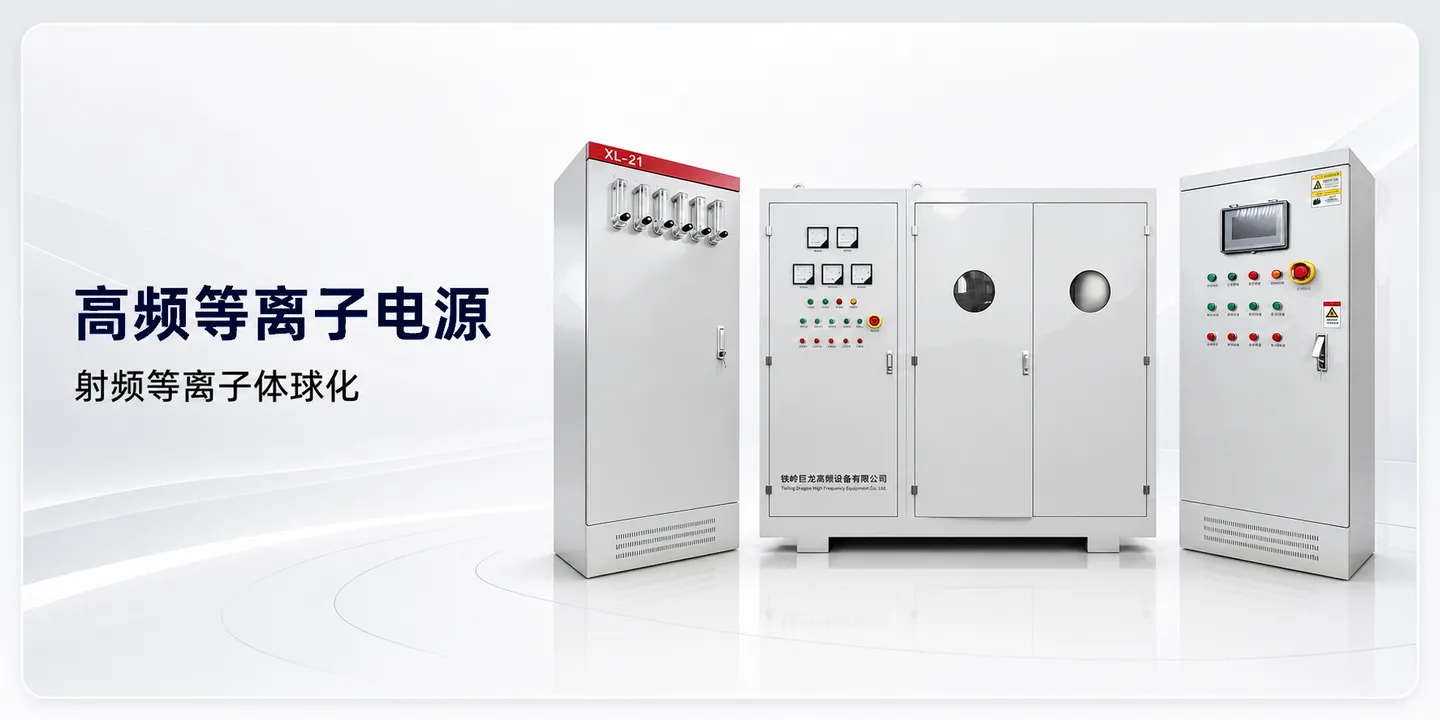
Julong RF induction plasma power equipment
01 · RF INDUCTION PLASMA

Powder spheroidization and high-temperature treatment

Discuss this route when the project centers on rapid thermal treatment of powder in a plasma zone and the target involves morphology or other controlled high-temperature processing.

Start with
Chemistry, particle size, morphology target
Then define
Feed rate, atmosphere, collection route
Current classes
100 kW and 200 kW
Review the plasma system
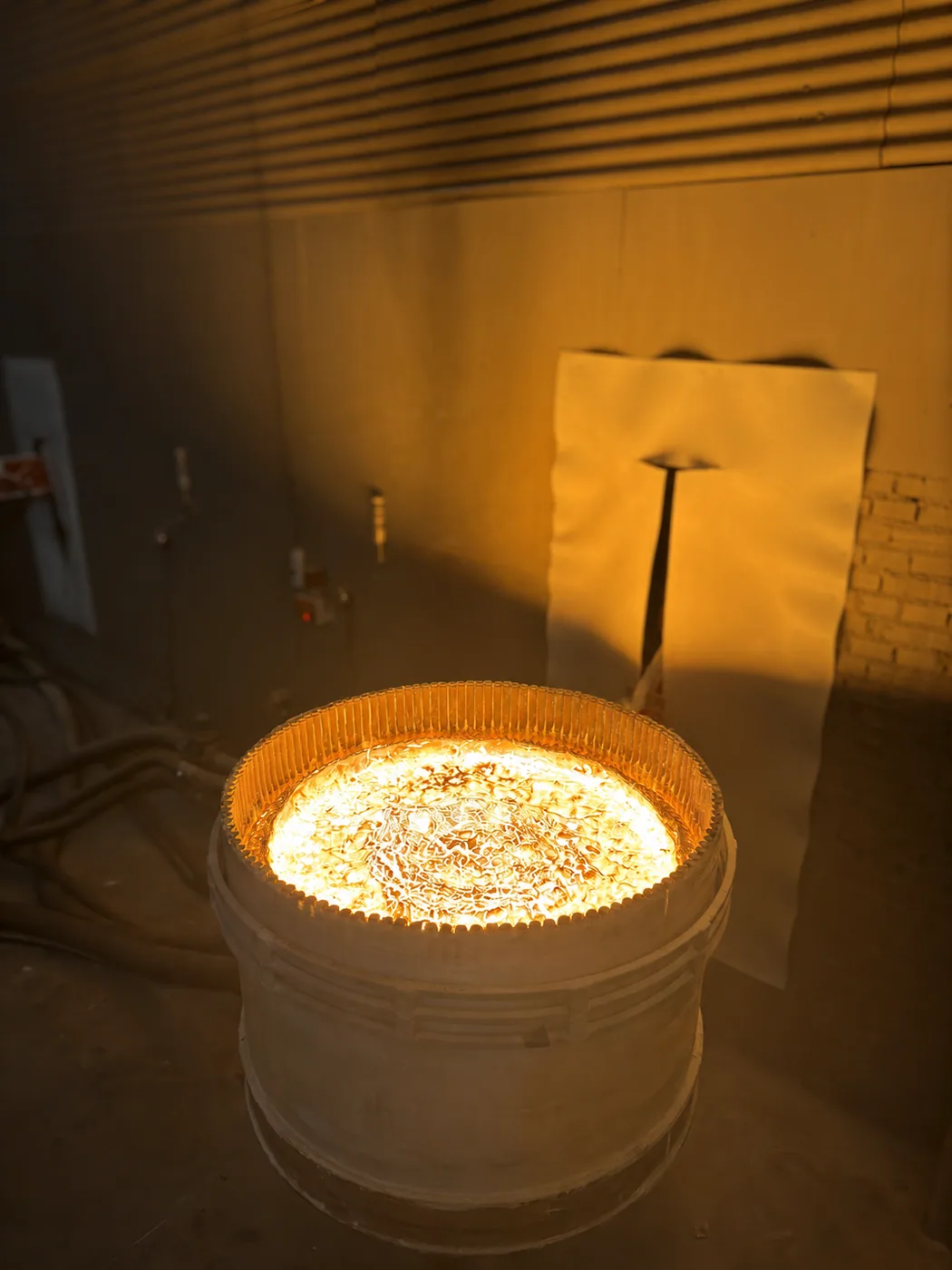
Molten material in a Julong cold crucible
02 · COLD-CRUCIBLE MELTING

High-purity oxide melting

Discuss this route when high melting temperature, melt cleanliness, electromagnetic stirring and contact with conventional refractory materials are central engineering concerns.

Start with
Material chemistry, feed form, purity target
Then define
Batch or throughput, atmosphere, utilities
Current classes
300 to 2000 kW
Review the cold-crucible system
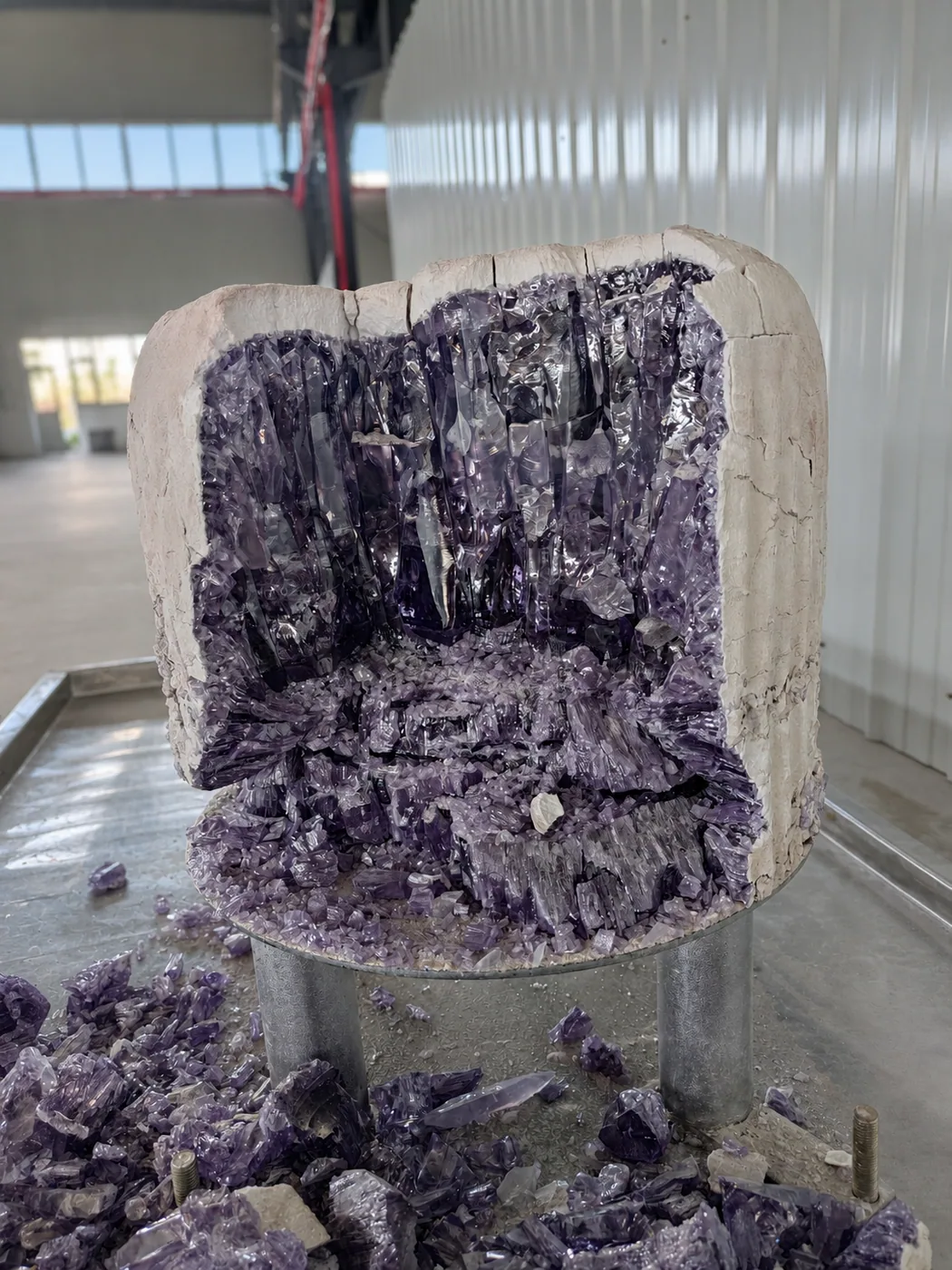
Solidified oxide material after cold-crucible melting
03 · PROJECT DEFINITION

Process development and scale selection

When the final power class is not yet known, begin with a bounded project brief. The first decision is whether the available material, target, throughput and site data are sufficient for preliminary engineering.

Bring
Current process and target result
Identify
Unknowns that require testing or confirmation
Output
Preliminary discussion scope, not a guaranteed result
Use the project-planning guides
QUICK COMPARISON

Which conversation should start first?

If neither column is a clear fit, send the existing process and desired result so the boundary can be reviewed.

Decision factorRF induction plasmaCold-crucible melting
Primary feed discussionPowder chemistry and sizeOxide chemistry and feed form
Typical target discussionMorphology or thermal treatmentMelting, cleanliness and product form
Site dataPower, gas, cooling, collection, layoutPower, cooling, atmosphere, handling, layout
Available power classes100 / 200 kW300 / 600 / 800 / 1200 / 2000 kW
NOT SURE YET?

Send the process problem before choosing the equipment.

Start the engineering discussion